
Fintech design, where trust is a feature and regulation is a constraint
Financial products are judged in the first minutes and abandoned at the first moment of doubt. We design onboarding, payment and dashboard experiences that satisfy compliance without making users feel interrogated.
What makes fintech design harder than it looks
Fintech design is hard because trust is decided in seconds, regulation fixes much of what you must ask, and mistakes such as a wrong transfer can't be undone. The design job is to make required steps feel safe, understandable and recoverable.
In fintech, inconsistency doesn't read as untidy; it reads as unsafe. Visual precision, copy tone and how errors are handled all signal whether a product can be trusted with money.
What we design for fintech
Trust
Security-signalling without theatre: sensible authentication moments, clear session handling, transparency about what happens to money.
KYC
Verification sequenced so users invest before the hard steps, with honest progress and recoverable document rejections.
Onboarding
Expectations set upfront so nothing feels like an ambush, and low-friction information asked first.
Data density
Portfolio and transaction views that serve both cautious first-timers and daily power users.
Financial workflows
Transfers, approvals and reconciliation designed so the irreversible step is the most deliberate one on screen.
Compliance-sensitive UX
Disclosures, consent and risk warnings designed to be understood, worked through with your compliance team.
Dashboards
Real-time data and alerts with a clear primary read, not a wall of numbers.
Transactional confidence
Fee transparency, pre-commit summaries and receipts that remove doubt at the moment of payment.
How a fintech engagement runs
Map the regulatory surface
With your compliance team: what is genuinely required versus inherited habit.
Find the drop-off
Analytics and session review to locate the steps that lose users.
Design and validate
Flows tested with users who match your real risk profile.
Handover
Specs covering every failure state, the ones that matter most in financial products.
Related work
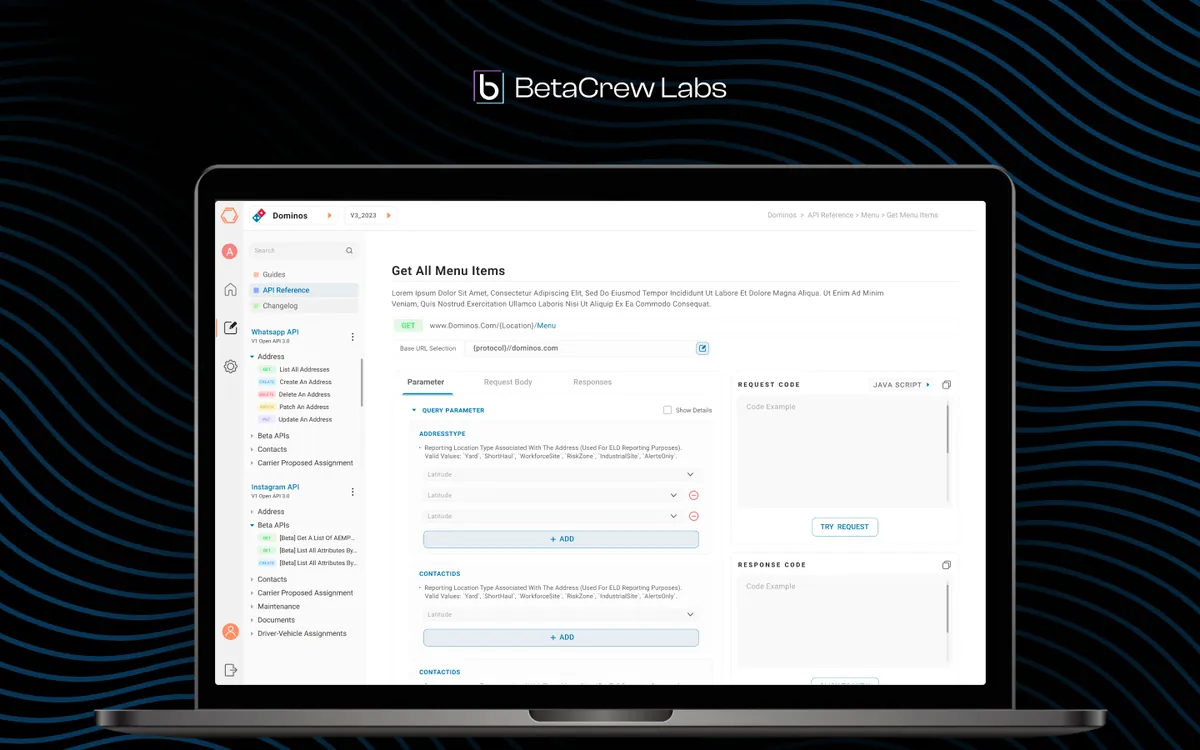
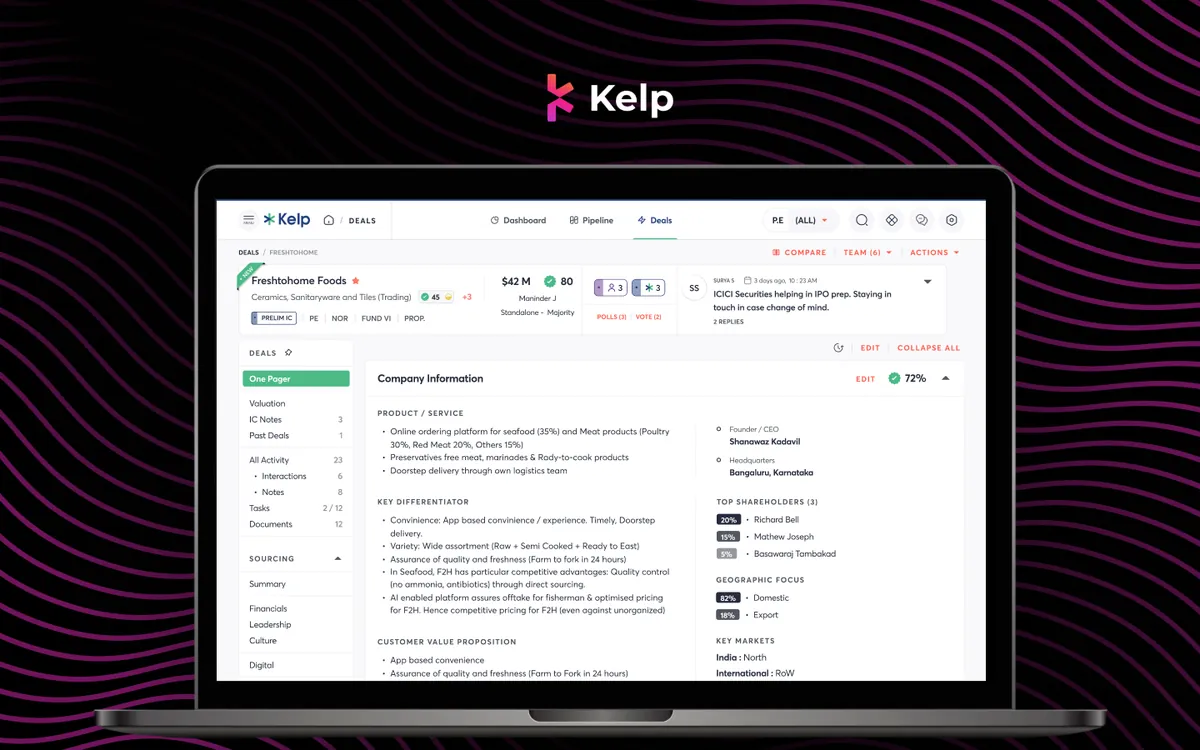
Precision-critical, data-dense product work.
Frequently asked questions
How do you reduce KYC drop-off without breaking compliance?
By changing sequence and framing rather than removing requirements: ask low-friction information first, say upfront what will be needed, show honest progress and make document rejection recoverable. None of that changes what you are legally obliged to collect.
Do you work with our compliance team?
Directly, from week one. A meaningful share of fintech friction is inherited habit rather than regulation, and the only way to tell the difference is to go through it line by line with the people who own the obligation.
Can you design for Arabic and RTL markets?
Yes. RTL is a structural design task, not a stylesheet toggle: layout mirrors, but numerals, charts and directional icons follow their own rules. We have done this work for UAE property clients.
Which markets' regulations do you design for?
We work with clients in India and the UAE and take on projects for teams in the UK and the US, and we design with each client's compliance team to the requirements of their market.
Where do your users stop trusting the flow?
Show us your onboarding or payment journey. We'll point to the steps most likely losing people and what we'd change first.