
Modernise a legacy product without stopping the business
Legacy products carry years of workarounds that the business now depends on. We map the real workflows before changing them, protect the people who use the product all day, and sequence modernisation alongside engineering.
What should you do first?
Map how people actually use the legacy product, including the workarounds and the spreadsheets beside it, before changing anything. Workarounds are requirements the original design never captured.
Then modernise in slices: the workflows with the highest cost or risk first, each one shipped and adopted before the next begins, rather than a big-bang replacement that asks everyone to relearn their job on the same day.
You're in this situation if
- New features have to be built around an older core
- Power users rely on shortcuts and workarounds nobody documented
- Onboarding a new hire to the tool takes weeks
- Several disconnected tools do one job between them
- The interface blocks enterprise sales or accessibility requirements
How we help
Workflow mapping
Contextual research with real users to document how work actually gets done today.
Prioritise by cost and risk
Decide which workflows to modernise first, and which to leave alone for now.
Target experience
Design where the product should end up, so each slice moves toward the same destination.
Slice and sequence
Break the target into shippable increments planned with engineering.
Protect power users
Keyboard paths, density options and transition guidance so experts don't lose speed.
Related work
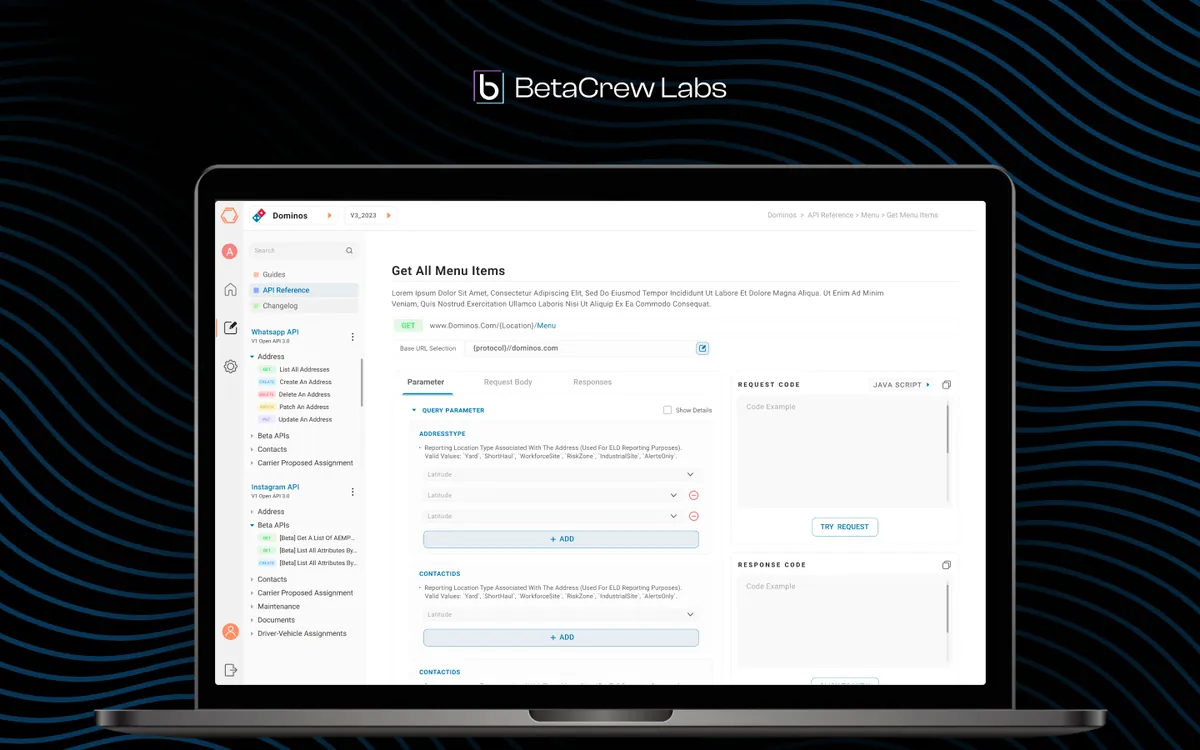
Three disconnected developer tools consolidated into one platform.
Frequently asked questions
Should we rebuild or modernise incrementally?
Incrementally, in most cases. Big-bang replacements concentrate risk and force everyone to relearn at once. Rebuild when the underlying technology has to change anyway, and design the target experience first so the rebuild has a destination.
How do you avoid slowing down expert users?
By studying their shortcuts before redesigning, keeping keyboard paths, offering density options and giving clear transition guidance.
Can you work within enterprise procurement and security requirements?
Yes. We work under NDA and design to accessibility and compliance requirements, documenting conformance for procurement.
Map it before you change it
Tell us about the product and the people who rely on it. We'll suggest where modernisation should start and what to leave alone for now.