
Design systems that help product teams ship consistently
Most design systems fail not because they are badly designed but because they are hard to adopt. We build tokens, components and documentation against your real stack and constraints, and measure success by whether engineering stops working around the system.
When do you need a design system?
You need a design system when several people ship in parallel across several surfaces and inconsistency has started to slow delivery or show up in sales conversations. Below roughly one product and two designers, a shared style file is usually enough.
Systems earn their cost by turning each new feature into an assembly job rather than a fresh set of decisions. Until that is the bottleneck, they are maintenance overhead, and we will tell you so.
Signs your product has outgrown ad-hoc UI
It exists, and nobody uses it
There is a Figma library and a Storybook, and engineers still write one-off components because the system does not cover their case or is too slow to search.
Design and code have drifted
The Figma library and the coded components disagree, so nobody trusts either and every ticket includes an argument about which one is right.
It covers the happy path only
Buttons and cards are specified; empty, error, loading, dense-data and permission states are not, which is exactly where consistency breaks.
Every new surface starts from scratch
A second product, a mobile app or an admin tool arrives and none of the existing work transfers, because the system was built for one surface.
What we build
- Foundations: spacing, layout grids, elevation and motion principles
- Design tokens: primitive, semantic and component layers, so theming is configuration
- Typography: a type scale tested at real content density
- Colour: palettes with WCAG 2.1 AA contrast built in, including dark mode where needed
- Components: every state specified, from hover and focus to loading, error and empty
- Patterns: forms, tables, filters, navigation and permission states as reusable solutions
- Templates: page-level layouts for the screens your team builds most
- Documentation: when to use each component, when not to, and what to do when nothing fits
- Governance: how additions are proposed, reviewed and released
- Figma libraries: variants and properties that mirror how engineers consume components
Design system governance
Systems fragment at the moment someone needs something the system does not have. Governance is the answer to that moment: who decides whether a new component joins the system, how it is reviewed, and how changes are versioned and communicated.
We document the decision path for "nothing fits" explicitly, because it is the decision that fragments most systems within six months. Some clients keep us on a light governance retainer to review additions; others take it fully in-house, which is a perfectly good outcome.
Design system implementation
A full system typically runs ten to twelve weeks; consolidating an existing library is usually four to six.
Audit (weeks 1 to 2)
A full inventory across products and code, and interviews with the engineers who will consume the system about why the current one is worked around.
Foundations (weeks 2 to 4)
Token architecture, type scale, spacing, colour and accessibility standards: the layer everything else inherits.
Components (weeks 4 to 9)
The library, built in order of actual usage frequency, with every state specified.
Adoption (weeks 9 to 12)
Documentation, engineering handover sessions and a migration sequence. We stay available while the first features are built on it.
Design system ROI
A design system pays back through faster delivery and fewer decisions per feature, more consistent quality, and accessibility that is inherited rather than remembered. The return depends on how many people and surfaces share it.
We do not quote a generic ROI figure, because it depends on your team size, release cadence and how much rework inconsistency causes today. During the audit we estimate it for your situation, from the duplication and drift we actually find.
Design systems for SaaS and enterprise
Design systems for SaaS
Speed and consistency as the product grows.
- Dense-data components: tables, filters, bulk actions
- Theming and white-labelling via semantic tokens
- Built alongside feature work, not in isolation
Enterprise design systems
One language across many products and teams.
- Multi-product and multi-platform foundations
- Governance across several teams and release trains
- Accessibility conformance documentation for procurement
Case studies
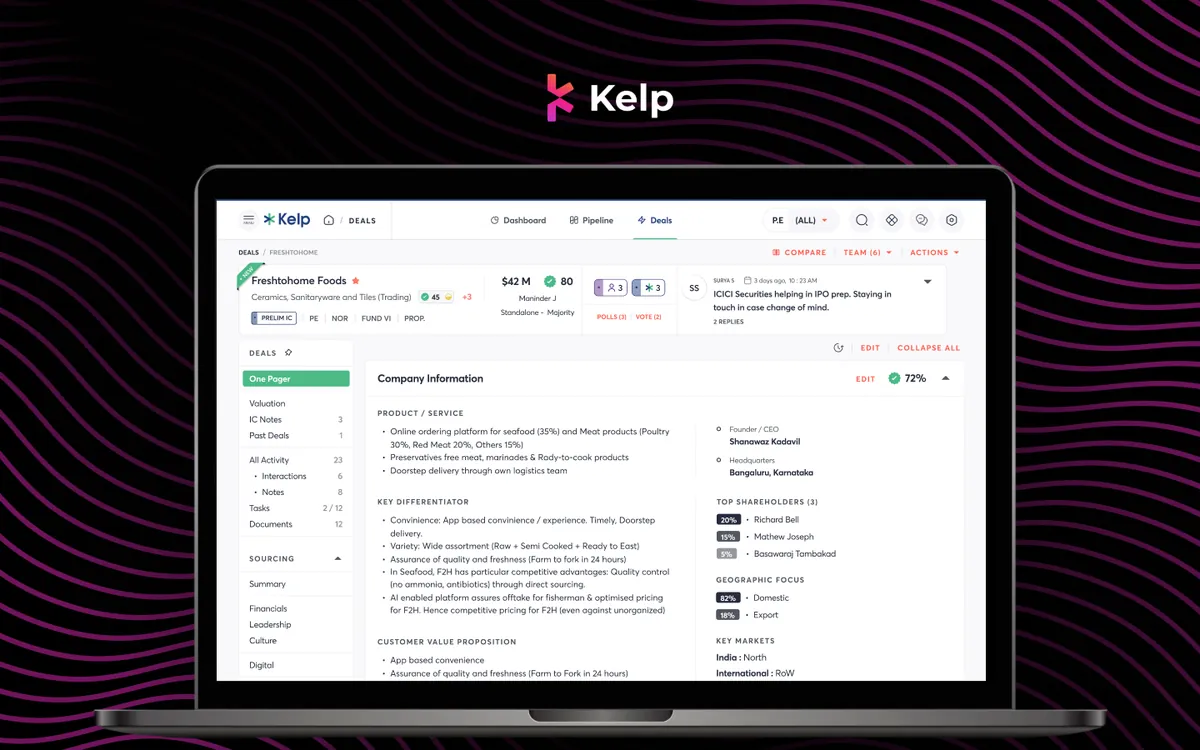
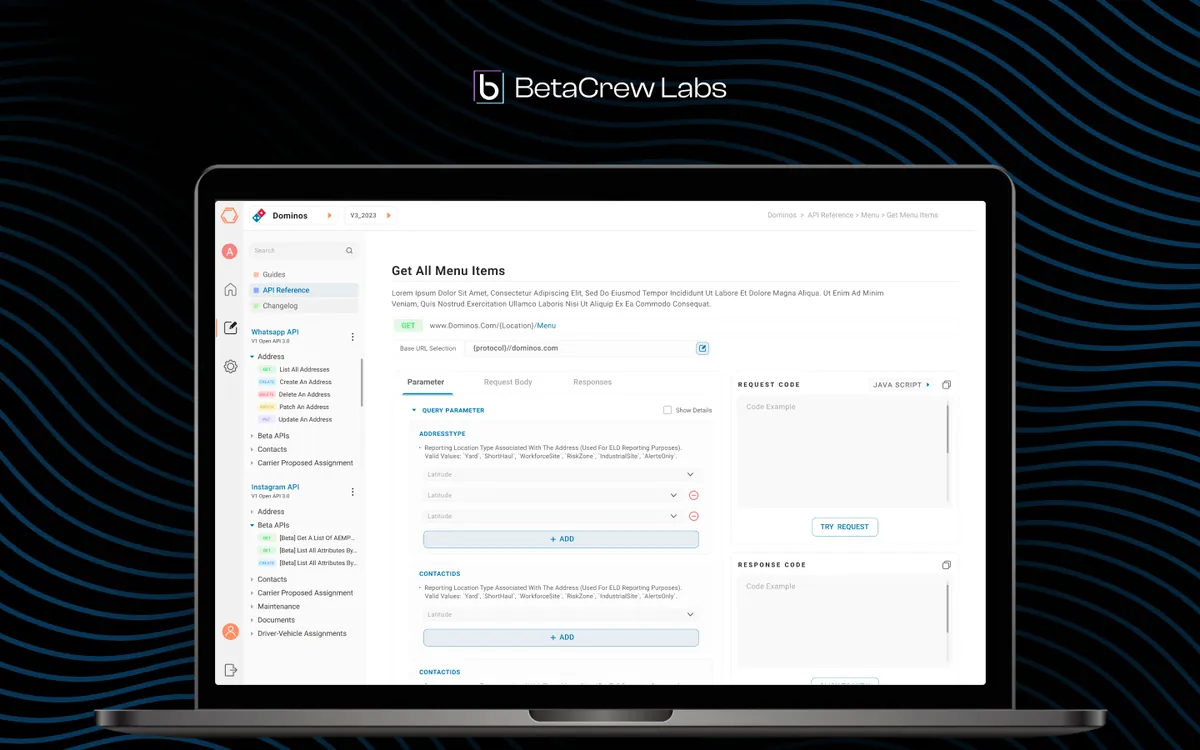
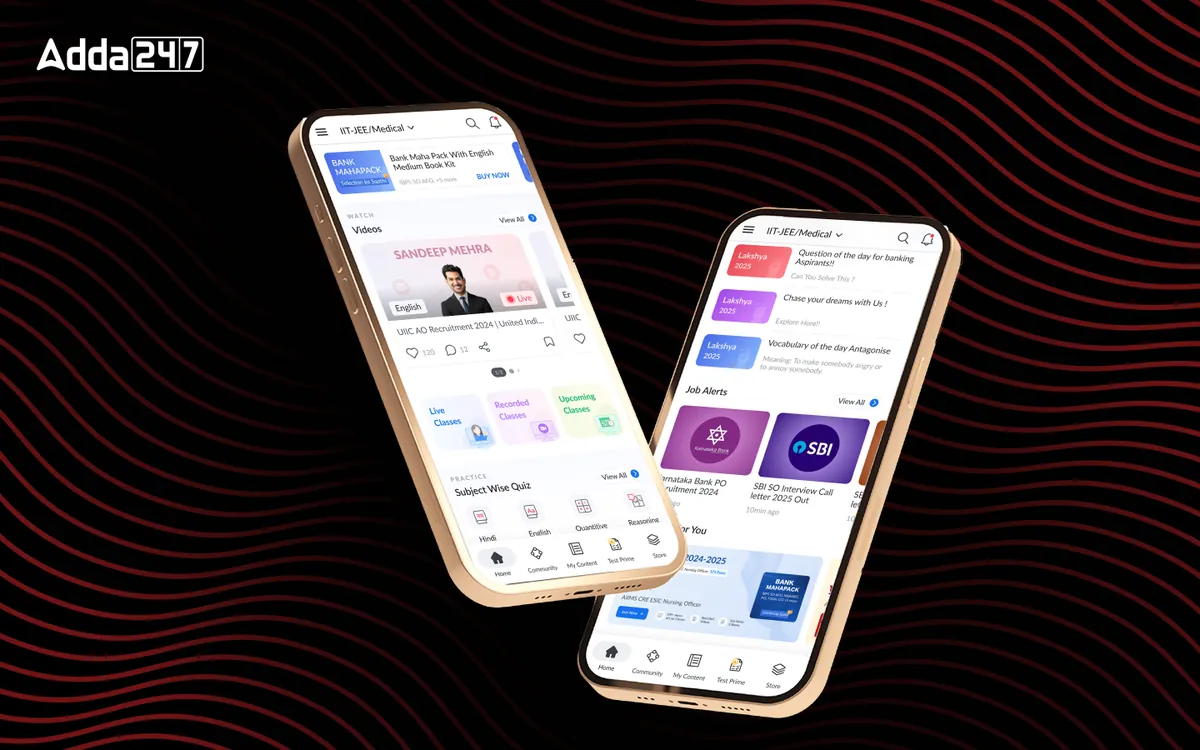
Systems built for real products, not in the abstract.
What does a design system cost?
Design systems are project-scoped, usually with a light retainer afterwards for governance. Consolidating an existing system is typically cheaper than building from zero, and the audit tells us which you actually need.
What moves the price: how many products and platforms the system must serve; whether tokens need theming, dark mode or white-labelling; the number of components and patterns; documentation depth; and how much engineering adoption support you want. For more detail, read what a design system costs in India.
Frequently asked questions
How long does it take to build a design system?
A full system (audit, tokens, components, documentation and adoption support) typically runs ten to twelve weeks. Consolidating and documenting an existing library is usually four to six. The variable is how many products the system serves and how much disagreement exists about the foundations, not component count.
Do we need a design system at all?
Not always, and we will tell you if you do not. Below roughly one product and two designers, a system is usually overhead. Systems earn their cost when several people ship in parallel across several surfaces.
Will this work with our existing codebase and framework?
That is the constraint we design against. Tokens and component APIs are structured to match how your engineers consume them, whether that is React, Vue, native mobile or a mix.
What if we already have a design system that isn't working?
Usually the fix is consolidation and documentation rather than replacement, and it is considerably cheaper. We only recommend rebuilding when the token architecture itself blocks work, and we show you the evidence first.
How do you make sure engineers actually adopt it?
By involving them from the audit onward and treating adoption as a deliverable: we interview engineers about why the current system is worked around, sequence migration by real usage and run working sessions during handover.
Does the system include dark mode and theming?
If you need it, yes, and it is much cheaper to build in from the start. A layered semantic token architecture makes dark mode, white-labelling and per-tenant theming configuration changes rather than parallel design work.
Who maintains it after handover?
Your team, with documentation written for that purpose. Some clients keep us on a light governance retainer to review additions.
Is your system being worked around?
Show us your library and a few recent features. In 30 minutes we'll tell you whether you need a new system, a consolidation or just better documentation.