
Product design for complex digital products
Designit helps SaaS, technology and enterprise teams research, redesign and scale digital products that are easier to use, easier to build and easier to grow.





Where teams start
What we help teams solve
Teams come to us with a problem, not a service name. Here is where each one usually starts.
Launching something new
The outcome is clear and the product isn't. Decide what to build first and test it before engineering commits.
Fixing a product that is hard to use
Support repeats the same answers and demos need a human to explain the product.
Improving activation and conversion
People sign up or visit, then stop before the step that matters.
Modernising legacy UX
An older core holds back newer work and users rely on undocumented workarounds.
Scaling a growing SaaS product
Navigation can't absorb new features and every release makes the product harder to use.
Creating a design system
Five button styles, drifting code and slower shipping every quarter.
Designing AI experiences
An AI feature that demos well and isn't trusted or used in daily work.
What we do
Services
The core of what we do. See all services, including website design, mobile apps, conversion optimization and branding.
Product Design
From deciding what to build to supporting the team that builds it.
SaaS Product Design
Onboarding, dashboards and dense workflows for B2B software.
UX Audit
A fixed-scope, two-week diagnostic with a prioritised fix list.
UX Research
Interviews and usability testing framed around a decision.
Design Systems
Tokens, components and governance engineers adopt.
AI Product Design
Interfaces for uncertainty, agent approvals, recovery and trust.
Case studies
Selected work
Five client engagements. Open one for the problem, the process and the screens.
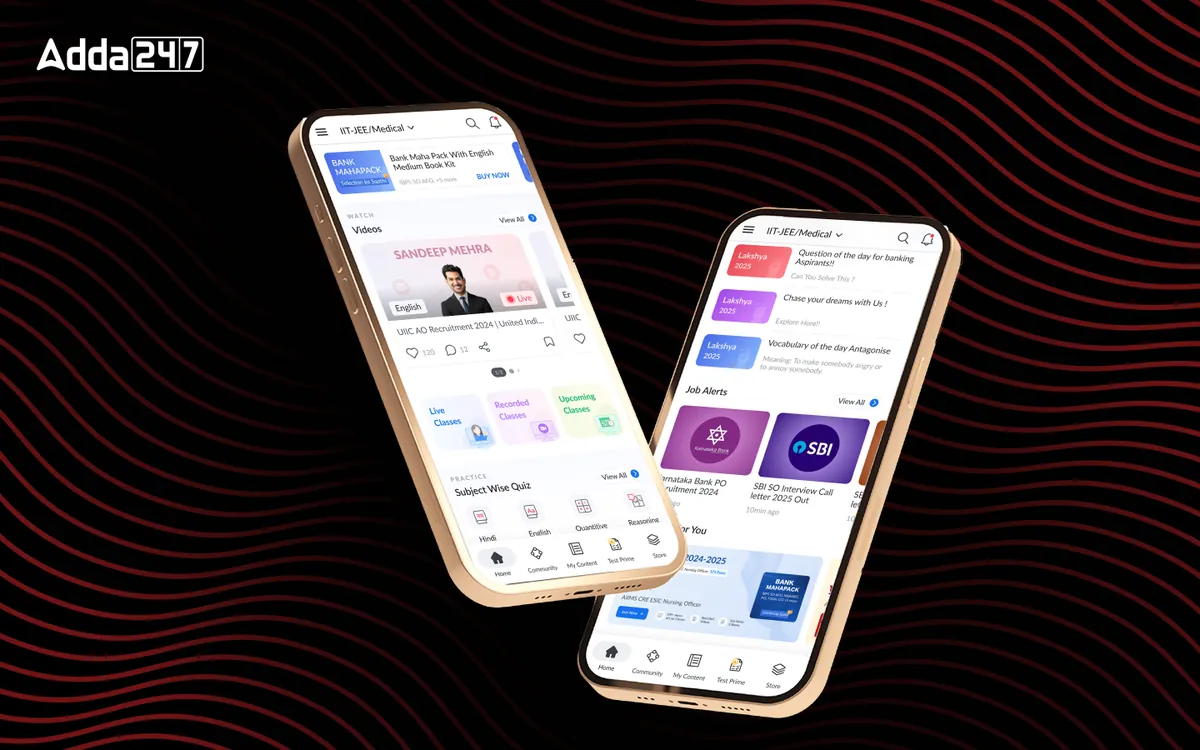
Adda247
Competitive-exam preparation platform: web, Android, iOS and iPad
View the engagement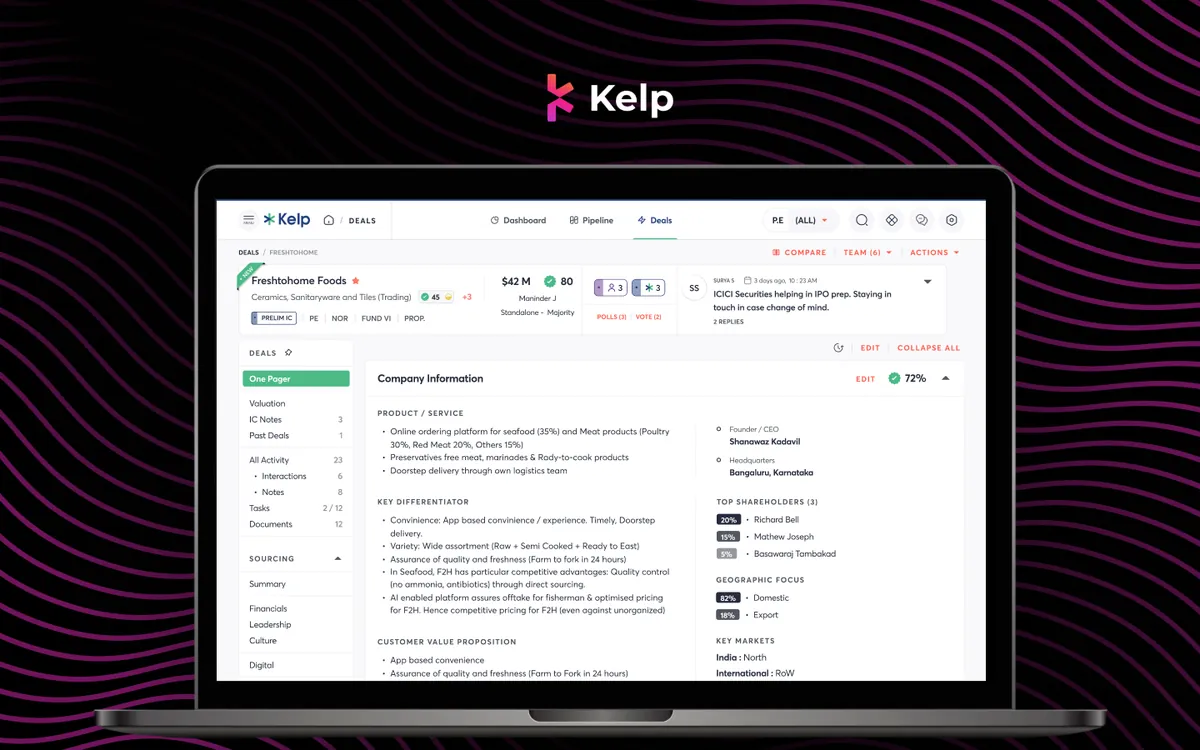
Kelp Global
Private-markets software: deals module, inbox plugin, Truenorth investor portal
View the engagement
Tata Elxsi
In-car infotainment system and digital instrument cluster
View the engagement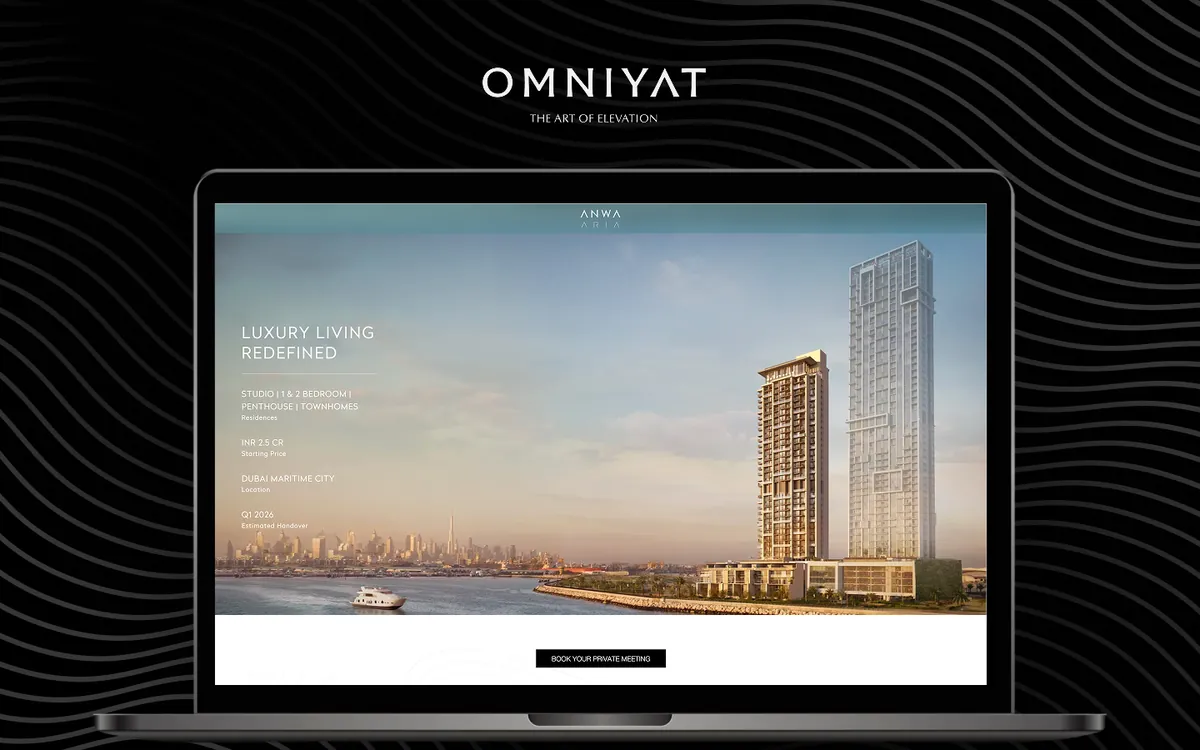
R-Centric (Omniyat portfolio)
Luxury property websites for seven Dubai developments
View the engagementWho we are
Why Designit
Reasons you can check.
Senior people only
No account managers and no junior hand-off after the pitch. You work with the people doing the design.
Research-led
Every engagement starts with evidence: research, analytics or an audit, before design decisions.
Founder-led
Founded by Sahil Sharma, a product designer with more than ten years of experience.
Named, published work
18 case studies across Adda247, Kelp Global, Betacrew, the Omniyat portfolio and Tata Elxsi.
India-based, working globally
Clients in India and the UAE, and projects for teams in the US and the UK. How we work across time zones.
Public recommendations
What product and design leaders say about working with us, below, verbatim.
The difference
How Designit compares
Freelancers, agencies and in-house hires all work. This is where a senior, research-led studio is different.
| Factor | Freelancer | Typical agency | In-house hire | Designit |
|---|---|---|---|---|
| Who designs your product | One person; depth varies | Often a junior team after the pitch | Your hire, once you find them | Senior designers, from kickoff to handover |
| Where the work starts | A brief for screens | Discovery, on a larger budget and timeline | Depends on the team's bandwidth | Research, analytics or an audit, before design decisions |
| What you get in writing | Design files | Decks and design files | Whatever the team documents | A signed-off problem definition and a developer-ready handoff |
| After handoff | Usually ends at delivery | Change requests | Ongoing | Design QA against what ships, and launch support |
| Proof you can check | Portfolio shots | Case studies, often anonymised | Their previous roles | 18 published case studies and named recommendations |
General patterns, not rules: there are excellent freelancers, agencies and in-house designers. The right choice depends on your budget, timeline and how much strategy you need. Freelancer or agency? A fuller comparison.
In their words
What product leaders say
“Working with DesignIt was a thoughtful and collaborative experience. Their approach was deeply rooted in understanding user pain points and bringing data-backed insights into the product. The team paid close attention to edge cases and real-world usage, which helped create solutions that truly resonated with users.”
“The team at DesignIt brought a great balance of creative vision and thoughtful execution to the project. Their approach focused on building experiences that felt innovative while still remaining intuitive and user-friendly. The collaboration throughout the process was open, smooth, and highly productive.”
“Working with DesignIt on Kelp was a great experience. The team helped us simplify and communicate complex data in the most effective way, whether through tables, graphs, or visualisations. They were always approachable, collaborative, and open to exploring multiple solutions throughout the process.”
Public LinkedIn recommendations, reproduced verbatim. Read more.
Next step
Not sure which service you need?
Describe what is not working. We'll tell you where we would start, and whether we're the right partner for it.
Prefer to look first? Score your product with our free 48-point UX audit checklist.
Process
How we work
One method across every engagement, run by senior designers from kickoff to handover.
Find out what is actually happening
Interviews, usability testing and your analytics, before anyone argues about solutions.
Agree the problem in writing
A signed-off definition of what we are solving and how success is measured.
Structure first, then interface
Information architecture and flows, then UI designed against real data and constraints.
Test while changes are cheap
Prototypes tested with people who match your users.
Make it consistent and buildable
Design systems and developer-ready handoff, with design QA against what ships.
Keep improving after launch
Measurement against the agreed metric, and ongoing design capacity if you need it.
At a glance
Experience behind the studio
- Years of design experience (founder)
- 10+
- Published case studies
- 22
- Named client engagements
- 5
- Industries
- 7
Years of experience are the founder’s, across previous roles. Designit Studio launched in 2026; every case study counted here is published on the Work page.
Domains
Industries
Domain knowledge from shipped work.
B2B SaaS
Dashboards, workflows and multi-product systems.
EdTech
Assessment engines, live classes and completion.
PropTech & real estate
Property experiences and Arabic RTL.
Automotive HMI
Infotainment and instrument clusters.
Fintech
KYC, payments and trust.
AI products
AI startups, AI SaaS and agents.
Guides
Insights
Guides organised by the problem you are working on.
UX audits
Find what to fix first.
AI and UX
Designing for probabilistic software.
Choosing a design partner
Decisions founders face.
Branding
Brand for technology companies.
Frequently asked questions
What types of companies do you work with?
Mainly B2B SaaS companies, fintech and Web3 startups, AI products, EdTech platforms, e-commerce brands and enterprise software teams, typically funded startups and growth-stage companies redesigning a product, building a design system or making design a growth lever. Shipped work includes Adda247, StudyIQ, Kelp Global, Tata Elxsi, Betacrew and the Omniyat portfolio.
How long does a typical project take?
A focused landing page or marketing-site sprint runs two to three weeks, a complete product redesign or new SaaS dashboard six to ten weeks, and a full design system eight to twelve weeks. Single-feature design sprints can ship in five working days.
What's your design process like?
Research, strategy, experience design, validation, systems and evolution. In practice: a fast onboarding, about a week of research and discovery, two to three weeks of design and iteration, and a handoff with developer specs and implementation support, with async updates throughout and one short weekly sync.
What tools do you use?
Figma as the primary canvas; FigJam or Miro for workshops; Figma, Framer or Protopie for prototypes; Maze, Lookback or Lyssna for testing; and Notion, Slack, Loom and Linear for project work. We happily work inside your team's tools.
What are your pricing models?
Project-based fixed pricing for defined scopes, monthly retainers for ongoing partnerships, and design subscriptions with a flat monthly fee. Pricing scales with complexity, team size and timeline, and you get a tailored quote after a discovery call.
Start with the problem
Tell us what is not working. We'll tell you where we would start, and whether we're the right partner for it.