
Conversion optimization through better product experience
Most conversion problems are experience problems: people who wanted to act couldn't understand, trust or complete the next step. We find where intent is lost and redesign those moments, then measure the result against the metric we agreed at the start.
What causes conversion friction?
Conversion friction comes from moments where a motivated visitor cannot understand the offer, does not trust it enough, or finds the next step too hard: unclear value, missing proof, surprise costs, long forms and errors with no way to recover.
The cause is rarely where the page looks worst. It is where the funnel loses the most intent, which is why we diagnose with your analytics and session data before designing anything.
How UX affects conversion
Traffic can be bought; understanding cannot. When paid spend rises to compensate for a conversion rate nobody has interrogated, fixing the experience is almost always cheaper per additional customer than buying more visitors to pour into the same leak.
UX-led optimisation differs from tactical testing in where it starts: with why people hesitate, observed in sessions and interviews, rather than with button colours. Tests then validate changes that are already grounded in evidence.
Where conversion is won or lost
Landing-page conversion
Pages that answer the visitor's question in the first screen, with proof and a next step matched to intent.
SaaS conversion
Sign-up, trial and upgrade flows, where pricing clarity and the first session decide trial-to-paid.
Checkout friction
Guest checkout, early cost transparency, fewer fields and recoverable payment failures.
Activation
The step after sign-up, where users reach first value or quietly leave.
Onboarding
Progressive set-up that asks for effort only after showing value.
Lead qualification
Enquiry journeys that filter for intent, so sales teams get fewer, better conversations.
Experimentation
We turn findings into testable hypotheses and design the variants, with the success metric and guardrail metrics defined up front. Experiments run in your analytics and testing tools, with your team, so results live where your decisions are made.
Where traffic is too low for reliable A/B tests, which is common in B2B, we use moderated testing and before-and-after measurement instead of pretending a small test is significant.
Analytics-informed design
Funnel data, session recordings and form analytics locate the leak; qualitative research explains it. Every recommendation carries the evidence behind it and the metric it should move, agreed before design starts.
UX audit + CRO
Most conversion engagements start with a two-week, fixed-scope UX audit focused on the funnel. It ranks every leak by business impact against effort, and tells you whether targeted fixes are enough or a redesign is warranted.
See the UX audit service for what the audit covers and what you receive.
Case studies
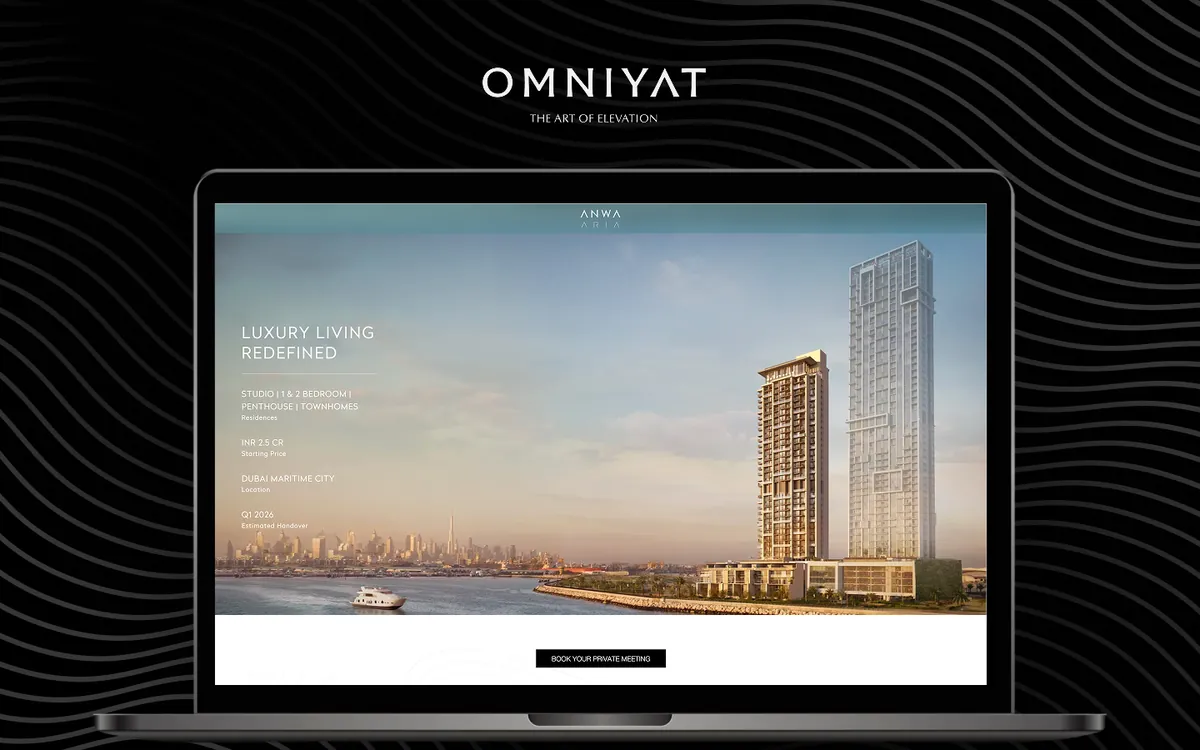
Qualification journeys for luxury property launches, designed so sales teams receive fewer, better enquiries.
Frequently asked questions
How is UX-led conversion optimization different from CRO testing?
Tactical CRO often starts with tests on page elements. UX-led optimisation starts by finding why motivated people hesitate, using analytics, sessions and research, then designs changes grounded in that evidence and validates them.
How much can conversion improve?
We will not quote a number before looking. The size of the opportunity depends on where the funnel leaks and how much traffic you have. The diagnostic tells you which leaks are worth fixing and roughly how much each is costing.
Do you run the A/B tests?
We define hypotheses, metrics and variants, and the tests run in your analytics and testing tools with your team. For low-traffic B2B funnels we recommend moderated testing and before-and-after measurement instead.
What data do you need?
Analytics access (for example GA4), session recordings if you have them (for example Hotjar or Clarity), and form or checkout analytics. Without them we can still run expert review and user testing, with less precise sizing.
Should we fix conversion before spending more on ads?
Usually yes. Improving the experience compounds every channel at once, whereas more spend on a leaky funnel buys proportionally more of the same leak.
Where are you losing people who wanted to buy?
Share your funnel numbers and the page that worries you most. In 30 minutes we'll tell you where we would look first.