
Product design that turns complexity into usable experiences
We work with teams building software people depend on: learning platforms, CRM tools, developer platforms and in-car interfaces. The work runs from deciding what should be built to supporting the team that builds it.
What product design solves
Product design decides what a digital product should do, how it is structured and how it behaves, so that people can get real work done with it and the business can keep growing it.
It is more than drawing screens. The work covers defining what should be built, researching who it is for, structuring how it fits together, designing the interface, prototyping to test assumptions, and supporting the engineers who build it.
Most expensive product mistakes are made before anyone opens a design tool. When the business goal is clear but the product is not, starting in Figma is how teams spend six months building the wrong thing well.
When should you bring in a product design partner?
Teams rarely call us about "design". They call about a situation. Here is where each one usually starts.
You need to launch something new
The outcome is clear and the product is not. You need to decide what to build first and test it before engineering commits.
Users sign up but don't adopt
Activation stalls, demos need a human to explain the product, and support repeats the same answers.
Your users are struggling and nobody knows why
Analytics show where people drop off, never why. Internal opinion is filling the gap.
The product has become hard to maintain
Every screen looks like a different product and each new feature means re-deciding solved problems.
Your SaaS platform has outgrown its structure
Navigation can't absorb new features and power users work around the interface.
Your team needs senior design capacity
You have designers, but not enough senior people to own structure, systems and hard trade-offs.
Product discovery: deciding what to build
Product discovery is the research and definition work that establishes which problem a product must solve, for whom, and how you will know it worked, before design or engineering commit to a solution.
We run stakeholder interviews and user research, review analytics and the competitive landscape, and finish with a written problem definition that both sides sign off. If we disagree about the problem, this is where it surfaces, while it is still cheap.
Discovery can run on its own for two to three weeks. You get research findings, a problem definition and a recommended direction: enough to decide whether to proceed, with whom, and at what scope.
Product strategy: structure before screens
When everything on the roadmap is a priority, nothing is. Without a structural view of the product, each new feature makes the next one harder to add and the whole thing harder to use.
So the decisions we spend most time on are architectural: how the product is organised, what belongs together, which flows are primary and which are exceptions. Those decisions constrain everything downstream, which is why they get the most attention and the earliest user testing.
Some products are complex because the work is complex: regulated flows, safety-critical interfaces, dense operational tools. Simplifying is not an option there. Making the complexity legible is the actual job.
What we cover
One senior team across the whole lifecycle, so decisions made in research survive into the shipped product.
Discovery
Stakeholder alignment and a written definition of what we are solving and how success is measured.
Research
Interviews and usability testing with real users, so decisions rest on observed behaviour.
Information architecture
How the product is organised and named, tested with users before visual work starts.
User flows
The primary paths through the product, including what happens when things go wrong.
UX design
Interaction design for the tasks that matter, at the density the work actually needs.
UI design
High-fidelity interfaces including the unglamorous states: empty, error, loading and permissions.
Prototyping
Clickable prototypes to test with users before code, and often to support sales before a feature exists.
Validation
Usability testing of key flows, so the riskiest assumptions are checked while they are cheap to change.
Design systems
Tokens and components captured as the product is designed, so the system comes from real use.
Developer handoff
Annotated specs, engineering walkthroughs and design QA against what actually ships.
Product design for different stages
The same discipline, applied differently depending on where the product is.
Define before you design
Discovery, problem definition and a validated direction, so the first build tests the right idea. See MVP design.
The smallest product that proves the point
The core flow designed properly, everything else deliberately deferred, with foundations that will not need throwing away.
Fix adoption, then scale
Activation, navigation and consistency work, plus the design system that lets more people ship without fragmenting the product.
Change what is broken, keep what works
Start from evidence of where users struggle, not from what looks dated. See product redesign.
Modernise without stopping the business
Legacy workflows mapped before they are changed, migration sequenced, power users protected. See legacy modernisation.
Our process
A defined product initiative typically runs eight to twelve weeks end to end.
Define (weeks 1 to 2)
Research, stakeholder alignment and a written problem definition. Disagreements about the problem surface here, cheaply.
Structure (weeks 2 to 4)
Product architecture, flows and low-fidelity direction, validated with users before visual work starts.
Design (weeks 4 to 10)
High-fidelity design and prototypes, reviewed weekly, with system components captured as they emerge.
Ship (ongoing)
Handover, engineering support and design QA against the built product.
How we collaborate with product and engineering teams
We work as an extension of your team, not a vendor that hands over files and disappears.
Alongside in-house designers
Often we take the structural and systems work while your designers own feature-level design and day-to-day iteration. We are equally happy as extra senior capacity.
Inside your engineering constraints
We design against your component library and framework rather than an idealised design that cannot be built, and join sprint ceremonies where useful.
Visible progress
Async updates through Loom and Slack, a short weekly sync, and work delivered in increments that match your release cadence.
Handoff that survives contact with code
Annotated specs and Figma Dev Mode handoff, an engineering walkthrough, and a design QA pass against what actually shipped.
Senior people throughout
No account managers in the middle and no junior hand-off after the pitch. You work directly with the people doing the design.
Source files are yours
Figma source files transfer to you with documented components and states. An NDA is available before any material is shared.
Selected product design work
Regulated, safety-critical and high-volume products, where structure matters more than decoration.
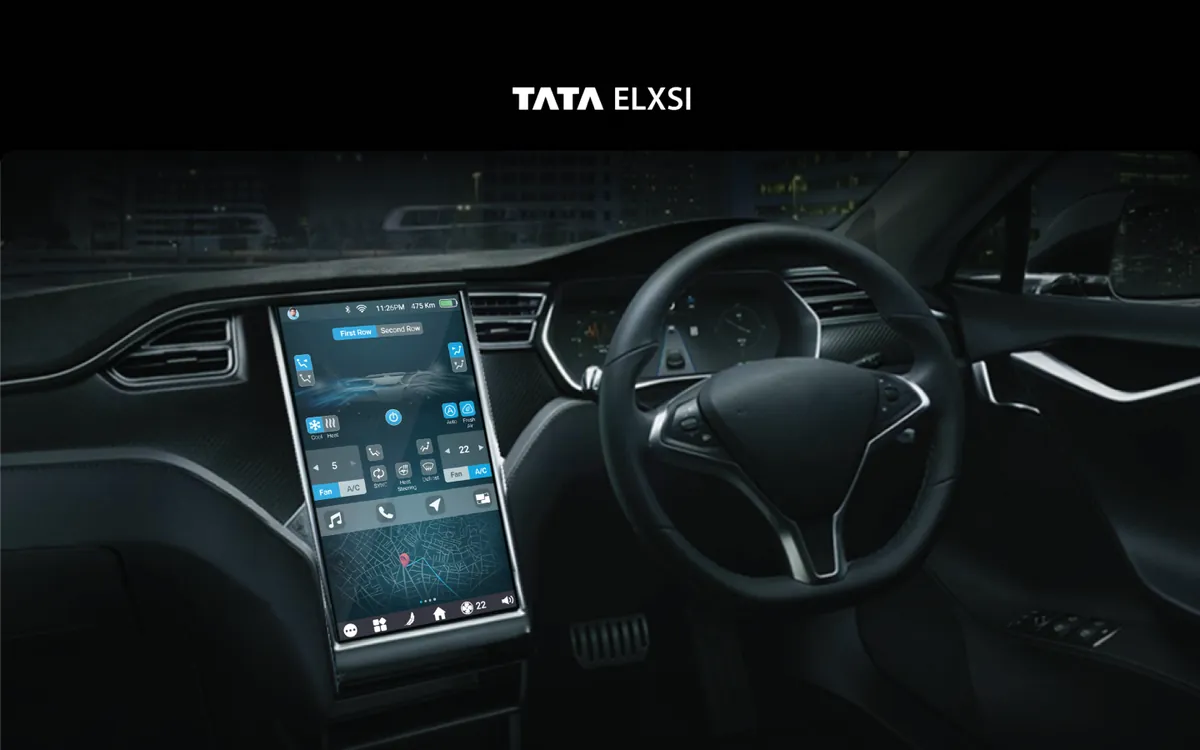
Tata Elxsi
In-car infotainment system and digital instrument cluster
View the engagement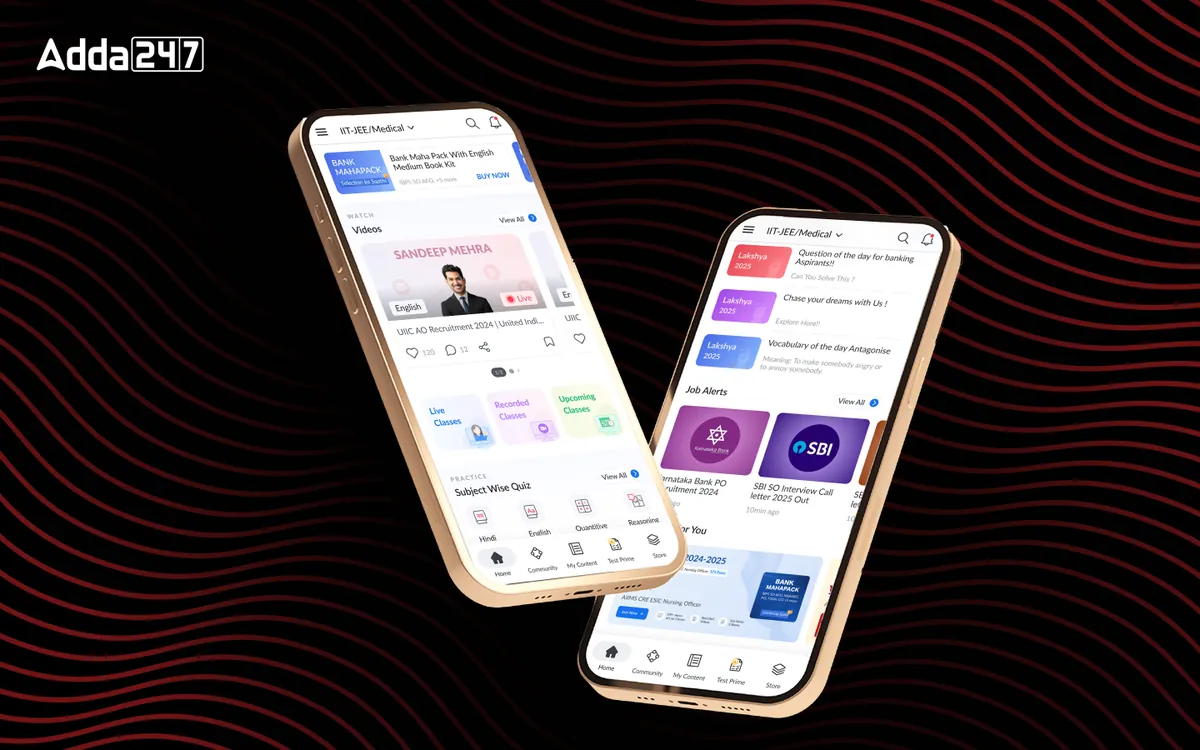
Adda247
Competitive-exam preparation platform: web, Android, iOS and iPad
View the engagement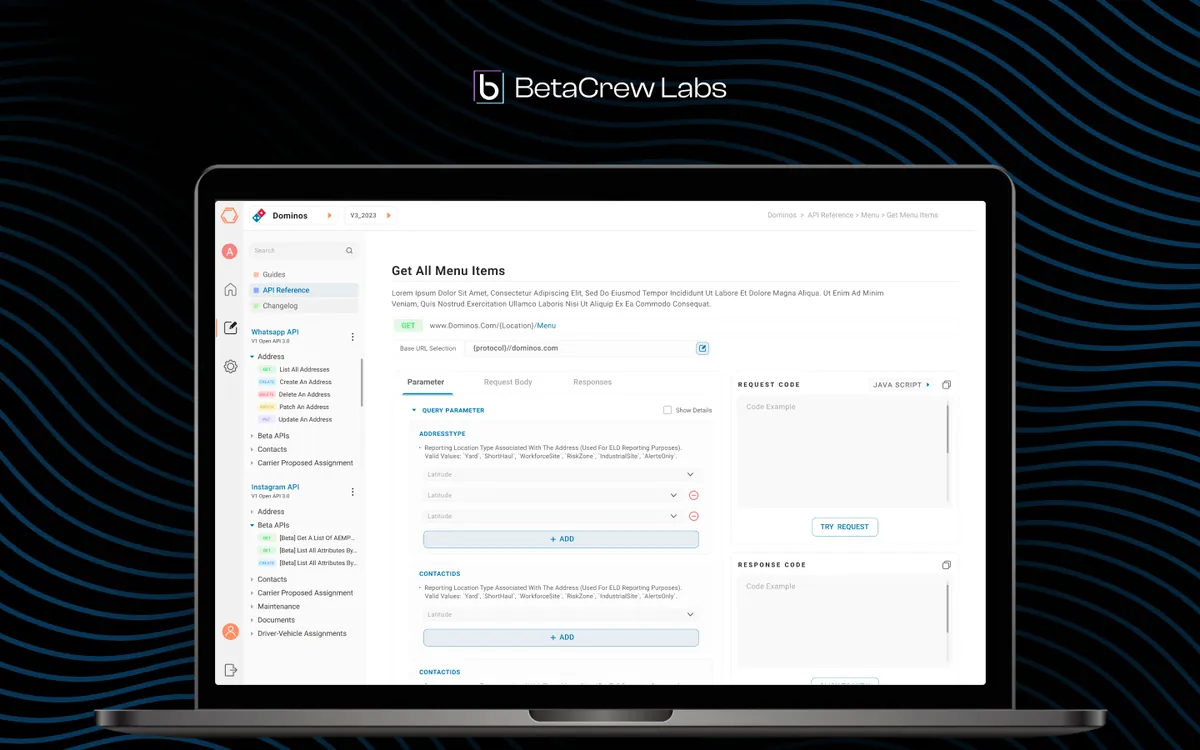
Betacrew
Portle, a developer-first API management platform
View the engagement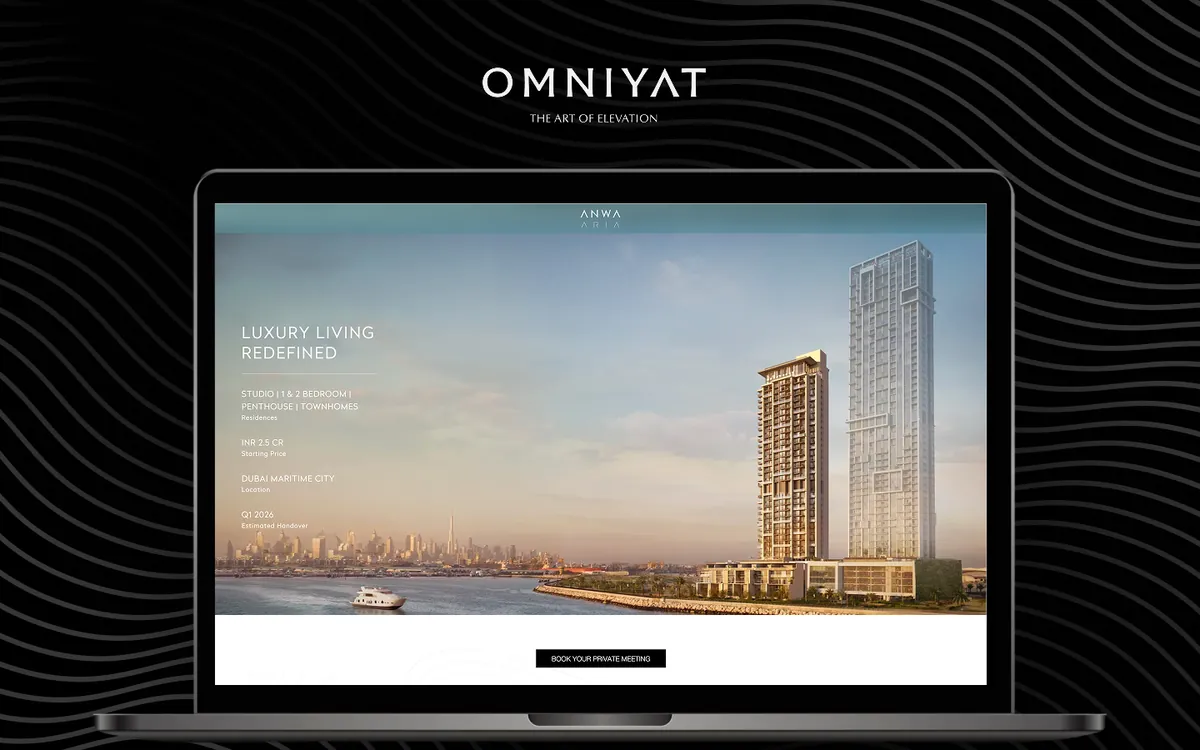
R-Centric (Omniyat portfolio)
Luxury property websites for seven Dubai developments
View the engagementHow much does product design cost?
Product design is quoted against a written scope rather than a day rate, and the price is driven by scope and risk more than by screen count.
What moves the price: how much research is needed; the number of platforms (web, iOS, Android, embedded); the complexity of the workflows and permission models; whether a design system is part of the work; how many iteration and validation rounds the risk justifies; and how much implementation support your team wants.
Work is usually run as a fixed-scope project, with a retainer afterwards if you want ongoing design capacity. Discovery can be bought on its own to de-risk a larger decision. International engagements are quoted in USD.
Frequently asked questions
What does a product design agency actually do?
It decides what should be built, researches who it is for, structures how it fits together, designs the interface, prototypes to test assumptions and supports the engineers who build it. Agencies that only produce screens are doing visual design on software, which is a smaller job.
How is product design different from UI/UX design?
Mostly scope. UI/UX design tends to start once someone has decided what to build; product design includes that decision. In practice they overlap heavily, and the label matters less than whether the team is allowed to question the brief. See our UI/UX design service.
Can you run discovery without committing to the full build?
Yes, and we often recommend it. A standalone two-to-three-week discovery gives you a written problem definition, research findings and a recommended direction: enough to decide whether to proceed, with whom and at what scope.
How long does a product design engagement take?
A defined product initiative typically runs eight to twelve weeks end to end. Discovery alone runs two to three weeks. Focused pieces of work, such as one flow or one dashboard, are shorter.
Do you work on regulated or safety-critical products?
Yes. We have designed automotive HMI where interface decisions affect driver attention, and fintech-style flows with verification and regulatory constraints. These projects need more research, edge-case work and documentation, and we scope for that from the start.
How do you handle disagreement about direction?
By making the problem definition an explicit, written, signed-off artefact before design starts. Most design disagreements are really unstated disagreements about the problem. Surfacing that in week one costs a conversation; in week eight it costs a redesign.
What if we already have a designer or a design team?
We work alongside in-house teams regularly. Typically we take the structural and systems work while your team owns feature design and iteration, or we act purely as extra senior capacity.
How do you measure success?
We agree the metric before starting: activation, task completion, adoption, support-ticket volume or lead quality, whichever is genuinely load-bearing for your business. We prefer your metrics to internal design metrics.
Start a product conversation
Tell us what you're building and what isn't working. Thirty minutes, no deck: we'll tell you what we would tackle first, and whether we're the right partner for it.