
Scale a design system across products and teams
A design system that works for one product and one team often breaks when the second product, the mobile app or the next ten designers arrive. We restructure systems so they scale, and set up governance so they stay that way.
What should you do first?
Separate what is shared from what is product-specific. A system scales when its foundations (tokens, type, spacing, accessibility rules) are shared, its components are configurable, and product-specific patterns live in their own layer.
Then decide how changes are governed: who can add to the shared layer, how additions are reviewed, and how releases reach every product. Most scaling failures are governance failures that look like design problems.
You're in this situation if
- A second product, mobile app or admin tool is coming
- Teams fork components instead of contributing back
- Theming or white-labelling means duplicating work
- Nobody owns decisions about what joins the system
- Design and code versions of the system have drifted
How we help
Audit across products
Inventory components, tokens and drift across every product and platform.
Layer the architecture
Primitive, semantic and component tokens, so theming and multi-brand become configuration.
Shared vs local
Decide what belongs in the core and what stays product-specific.
Governance
Contribution, review and release processes your teams will actually follow.
Adoption
A migration sequence by real usage, with working sessions for each team.
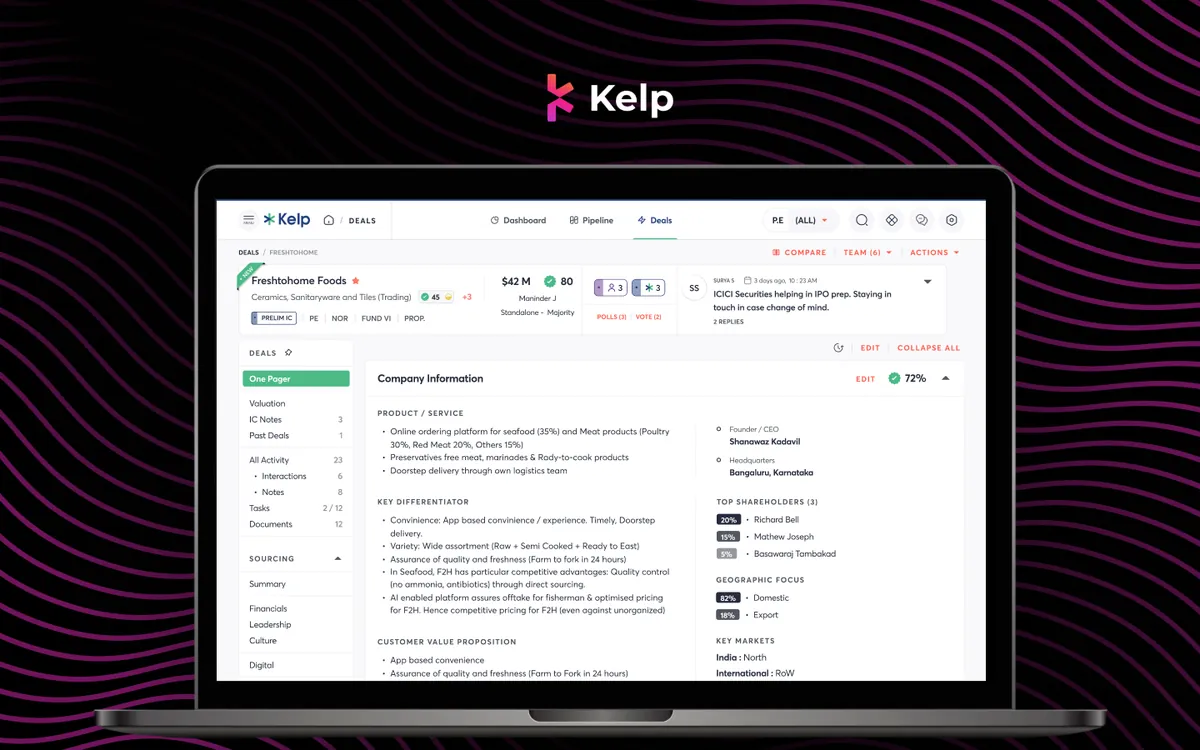
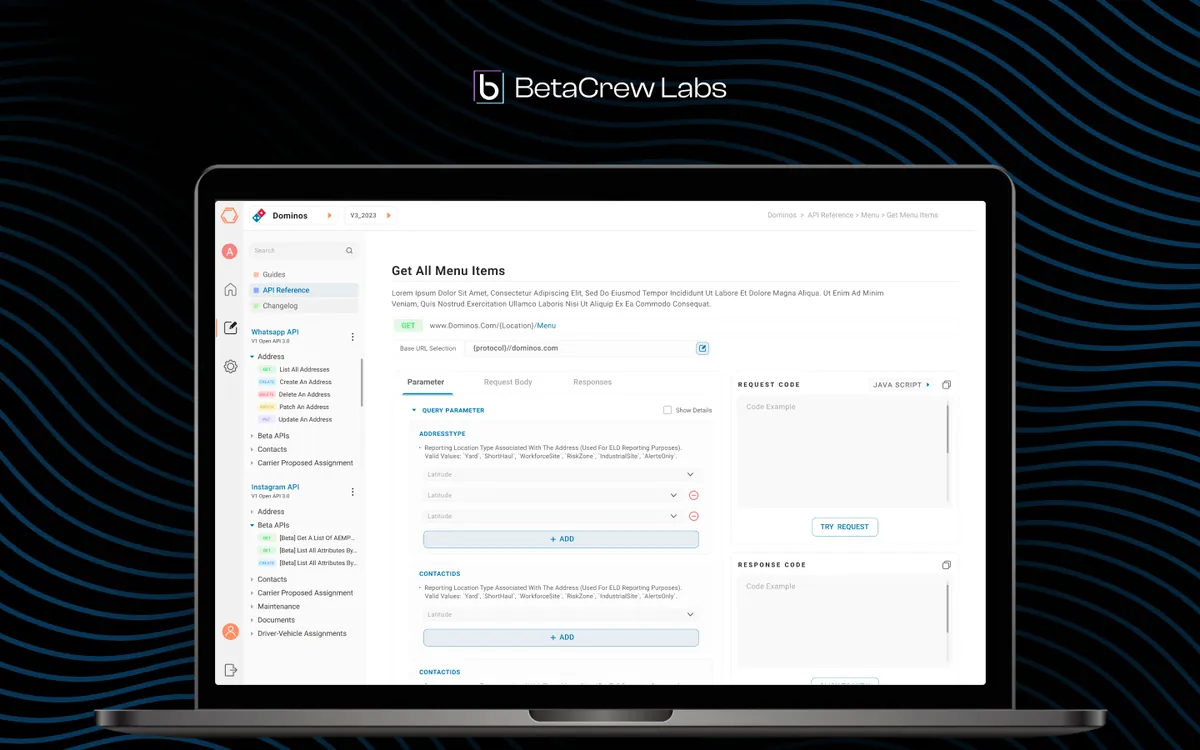
Systems shared across products

Frequently asked questions
What is design system governance?
The agreed process for how the system changes: who can propose additions, how they are reviewed, how versions are released and communicated, and what teams do when nothing in the system fits.
How do you support multiple brands or white-label products?
With a layered token architecture: primitives, then semantic tokens, then component tokens. Brands change the semantic layer, so components stay shared. Betacrew's Portle uses this approach for white-label enterprise deployments.
Should every team use the same components?
They should share foundations and core components. Product-specific patterns can live in a local layer, as long as they are built from the shared foundations.
Will your system survive the next product?
Show us your library and your roadmap. We'll tell you what breaks first as you scale, and what to fix now.