
R-Centric (Omniyat) · Real estate
OPUS
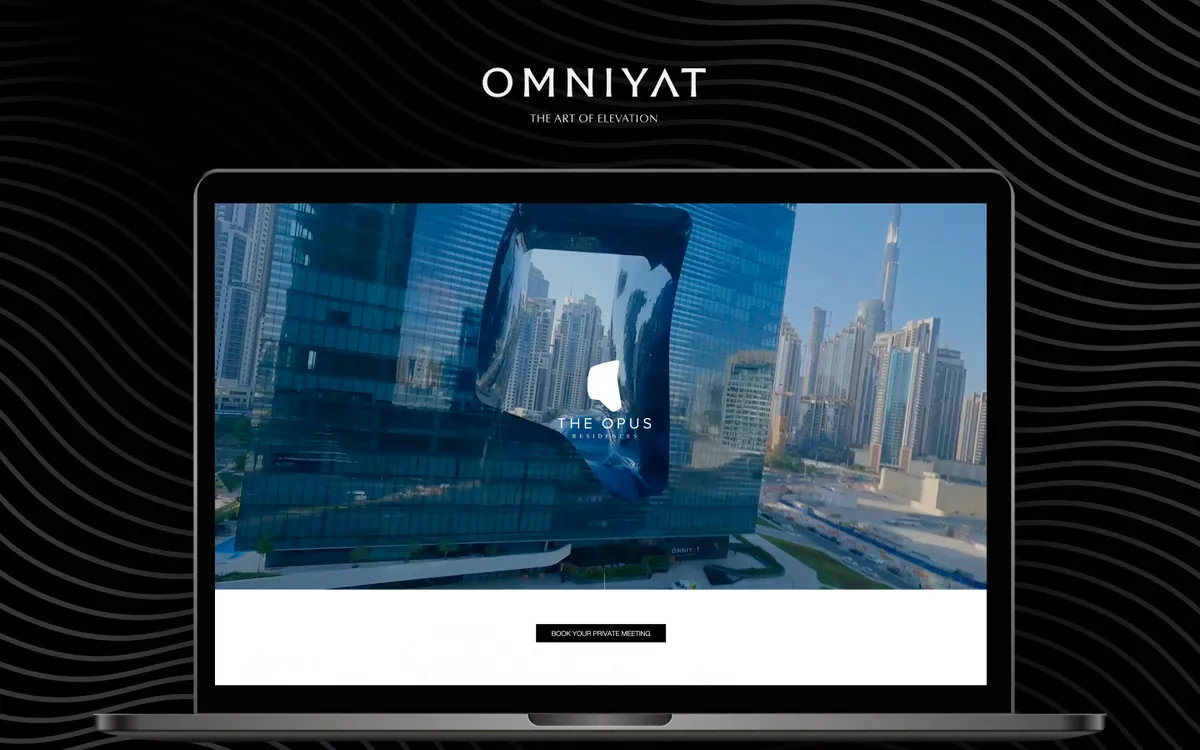
Landmark Zaha Hadid building — digital presence for luxury residences, offices, hotel.
Overview
A Zaha Hadid Masterpiece, Online
OPUS is arguably the most iconic building in Omniyat's portfolio — designed by the late Zaha Hadid, it houses luxury residences, premium office spaces, and the ME Dubai hotel. The digital experience needed to be as bold and unconventional as the architecture itself, while serving three distinct audiences. We created a fluid, sculptural web experience that channels Hadid's parametric design philosophy into every interaction, from navigation patterns to loading animations.
- Tools
- Figma, GSAP, Three.js, Webflow
- Category
- Mixed-use Luxury
- Services
- Web Design, IA, Animation, Multi-audience UX
Problem statement
How might we give one iconic building a website as bold as its architecture, while three very different audiences, homebuyers, office tenants and hotel guests, each find their way?
Empathize
Who we designed for
OPUS houses residences, offices and the ME Dubai hotel. Each visitor arrives with a different goal.
Luxury homebuyers
Want the residences, the views and the architecture's story.
Corporate tenants
Want office space details and a prestigious address.
Hotel guests
Want to book a stay at ME Dubai without wading through property content.
Pain points
Three audiences with different needs shared one website.
The architecture defies convention, and a template site would undersell it.
Mixed-use content complicated the information architecture.
Rich visuals had to stay fast on mobile.
Problem Statement
The Challenge
Zaha Hadid's architecture defies convention — the website needed to be equally innovative while remaining usable. The mixed-use nature (residential + commercial + hotel) complicated the information architecture significantly. Three distinct buyer personas — luxury homebuyers, corporate tenants, and hotel guests — each had different needs, browsing patterns, and conversion goals. Unifying them under one brand experience without creating confusion was the core challenge.
Design Process
How We Approached It
- Phase 01
Architectural Immersion
We studied Zaha Hadid's design language exhaustively — from her parametric curves to her approach to space and light.
We analyzed how other iconic buildings (Bilbao Guggenheim, Sydney Opera House) present themselves digitally, identifying what works and what falls flat. This research gave us the vocabulary to translate physical architectural drama into digital interaction patterns.
- Phase 02
Multi-audience IA
We created separate but connected journeys for residential buyers, office tenants, and hotel guests.
The homepage serves as a gateway that elegantly branches into three distinct experiences, each tailored to its audience's decision-making process. Shared brand elements maintain cohesion while the content, tone, and CTAs are persona-specific, ensuring relevance without redundancy.
- Phase 03
Organic Animation Design
We designed fluid, organic animations reflecting the building's curved architecture.
Every transition, hover state, and loading sequence was inspired by the parametric forms of the building. The cursor itself transforms as it moves across sections, and page transitions use morphing shapes that echo Hadid's signature visual language. Performance was carefully balanced against visual richness.
- Phase 04
Mobile Architecture
We built a responsive experience maintaining the architectural drama on mobile.
This required rethinking the 3D explorations and parallax effects for touch interactions. We created gesture-based navigation that feels natural on mobile while preserving the sense of discovery and spatial exploration that defines the desktop experience. Load optimization ensured smooth performance on all devices.
Solution
What We Delivered
An award-worthy digital experience that channels Zaha Hadid's parametric design philosophy into a multi-audience web platform. The site serves residential, commercial, and hospitality audiences through distinct but connected journeys, unified by fluid animations and a sculptural visual language that does justice to one of the world's most iconic buildings.
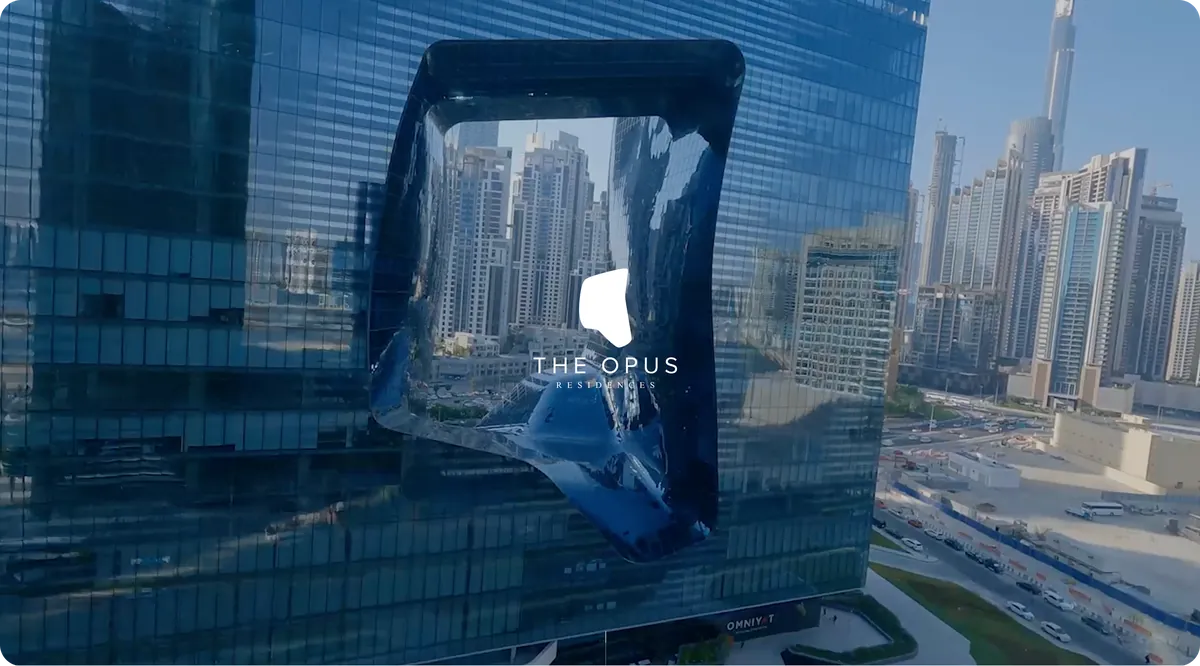
The building as the interface
The opening view is the architecture itself: the sculpted void framed edge to edge. From there, visitors branch into residential, office or hotel journeys without losing the shared brand.
What Makes It Stand Out
3D Building Explorer
Interactive 3D model allowing visitors to explore the building's iconic void and structural elements.
Mixed-use Navigation
Intelligent routing system that directs visitors to residential, office, or hotel content based on intent.
Zaha Hadid Gallery
Dedicated section celebrating the architectural vision with sketches, renders, and construction photography.
Virtual Walkthrough
Immersive virtual tours of residences, lobby, and amenity spaces with ambient audio.
Booking Integration
Unified booking system for hotel stays and property viewing appointments.
Brand Partnership Showcase
Highlighting ME Dubai and other prestigious brand partnerships within the building.
Frequently asked questions
What is OPUS?
Landmark Zaha Hadid building — digital presence for luxury residences, offices, hotel.
What problem did OPUS solve?
Zaha Hadid's architecture defies convention — the website needed to be equally innovative while remaining usable. The mixed-use nature (residential + commercial + hotel) complicated the information architecture significantly. Three distinct buyer personas — luxury homebuyers, corporate tenants, and hotel guests — each had different needs, browsing patterns, and conversion goals. Unifying them under one brand experience without creating confusion was the core challenge. The question we set out to answer: How might we give one iconic building a website as bold as its architecture, while three very different audiences, homebuyers, office tenants and hotel guests, each find their way?
How did Designit approach OPUS?
We worked in 4 phases: Architectural Immersion; multi-audience ia; organic animation design; mobile architecture. We studied Zaha Hadid's design language exhaustively — from her parametric curves to her approach to space and light.
What features should a luxury real estate website in Dubai have?
Immersive photography and video, clear unit and floor-plan information, location context, multilingual content for international buyers, and an enquiry flow that feels like requesting a private consultation rather than filling in a form. The R-Centric properties share one design system so each site can be distinct while staying consistent.
How do you design a property website for international buyers?
Assume they will decide largely from the screen: show the views, the spaces and the neighbourhood honestly, make availability and next steps clear, and support the languages and time zones they buy from.
Were the Omniyat property websites built on one design system?
Yes. The seven R-Centric (Omniyat) property experiences share one design system, so each property can have its own character, imagery and story while navigation, enquiry flows and components stay consistent and fast to build.
How do you design one website for several audiences?
Give each audience its own journey from a shared gateway. OPUS branches from the homepage into residential, office and hotel experiences with persona-specific content and calls to action, unified by one visual language.
How long does a Designit engagement take?
A Design Sprint is delivered in 5 business days. Full product design engagements run 4–12 weeks depending on scope. Monthly retainers are ongoing, with one active request at a time and a 24-hour response time.
Who actually works on the engagement?
Senior practitioners, from kickoff through to developer handoff. There are no account managers in the middle, no junior hand-offs once a contract is signed, and no offshore layer. Clients talk directly to the people producing the work, which is what keeps the feedback loop short enough to ship in days rather than weeks.
More projects
Keep exploring
R-Centric
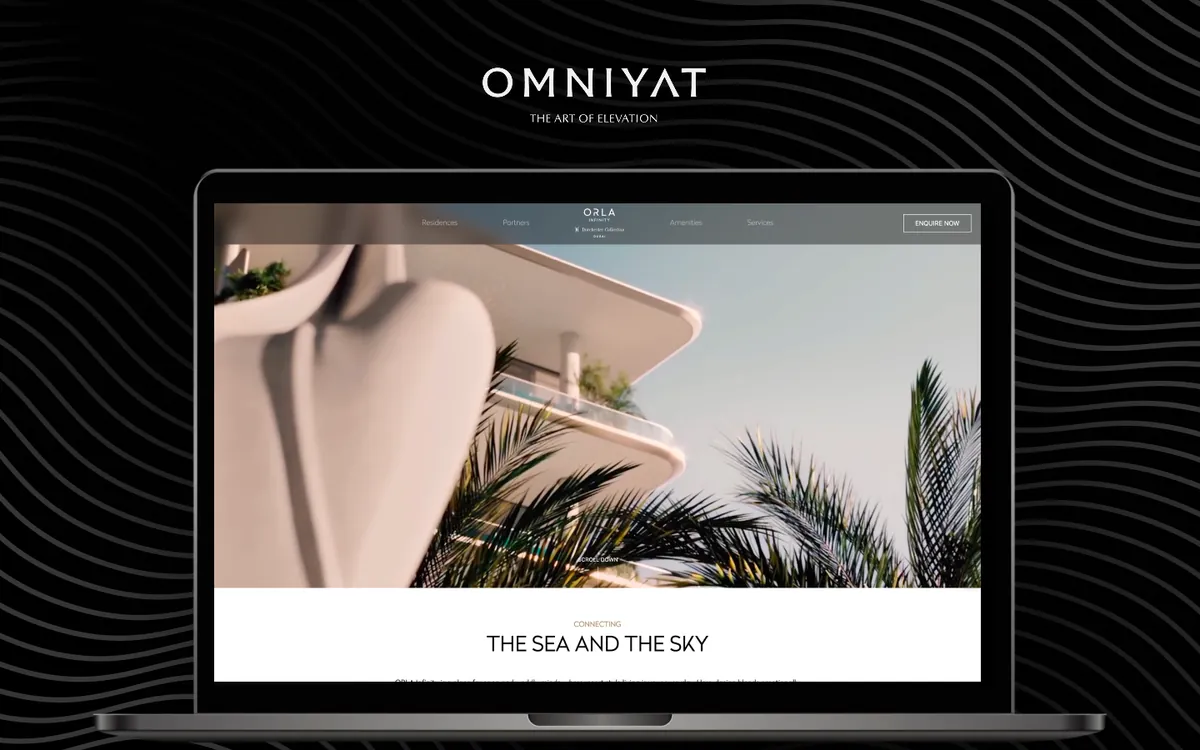
Orla Infinity
A cinematic website for a Palm Jumeirah residence, built to create desire before a visit.
View case study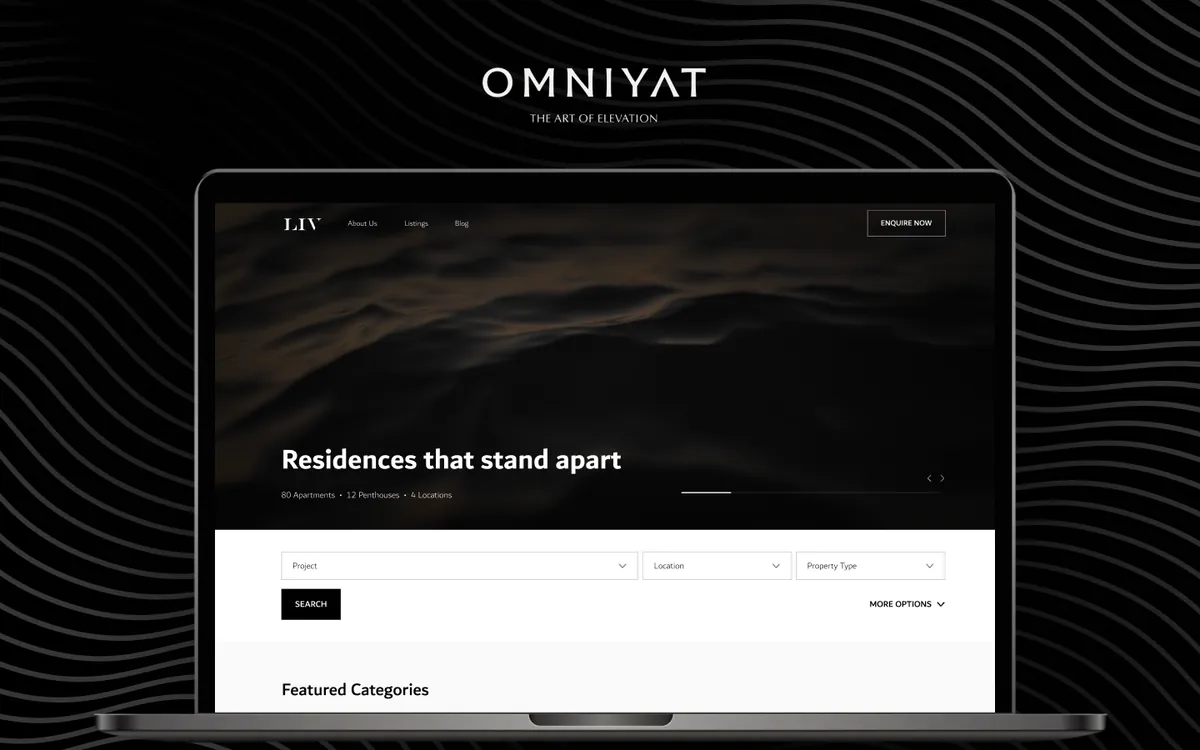
R-Centric
LIV
A private-showroom website for LIV, Omniyat's exclusive real estate partner.
View case study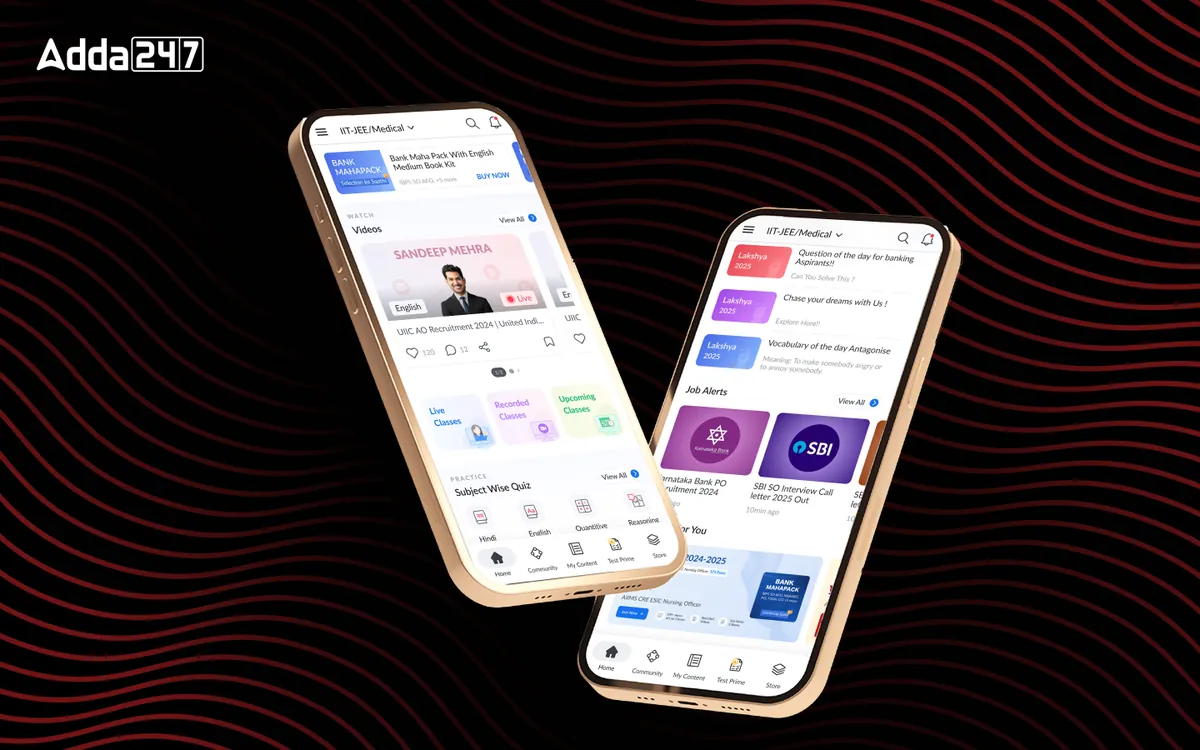
Adda247
Homepage Revamp
A cluttered feed turned into a home organised around Watch, Practice and Read.
View case studyHave a similar problem?
Tell us what is not working. We'll tell you where we would start, and whether we're the right partner for it.